

Cybersecurity firm Tenable has confirmed that it experienced a data breach, and while the amount of information exposed may look limited on the surface, the situation still raises important questions. If a company that builds tools to protect others from attacks can get hit itself, what does that say about the rest of us?
The incident, which Tenable has publicly acknowledged, involved unauthorized access to part of its Salesforce environment. Attackers were able to view customer contact details and information from support cases. No passwords, payment data, or highly sensitive business files appear to have been stolen, but that doesn’t mean the fallout is insignificant.
How It Happened
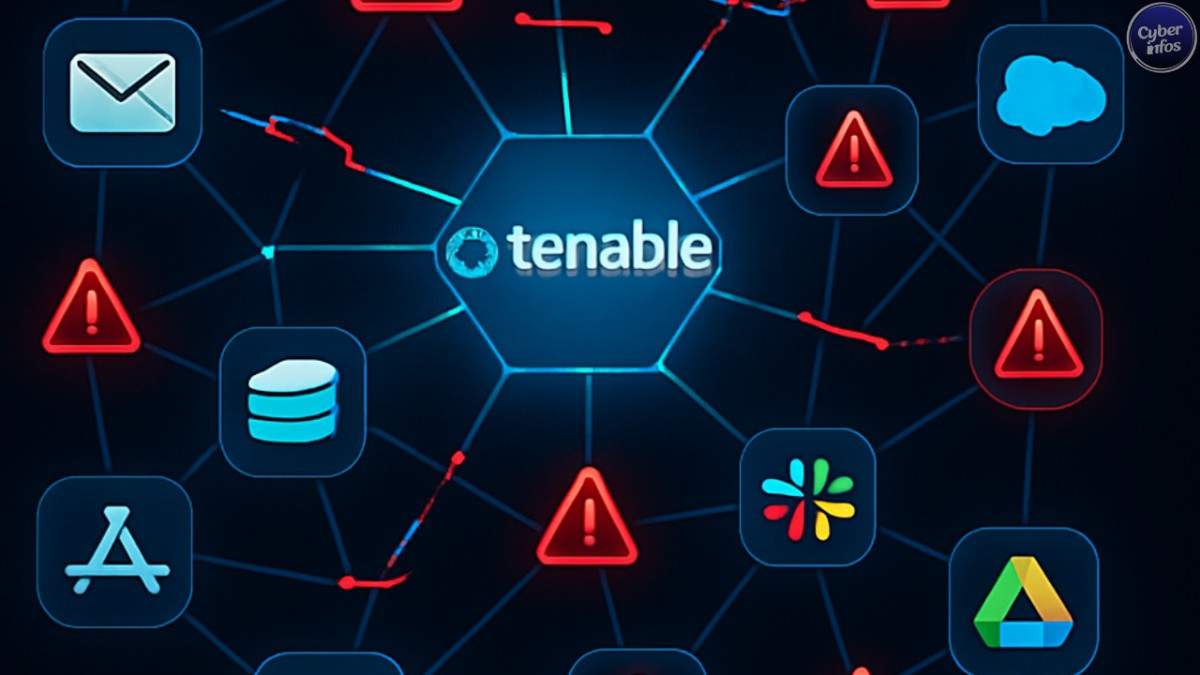
Tenable said the breach was connected to a larger campaign that targeted the integration between Salesforce and Salesloft’s Drift marketing app. Many organizations use this combination to manage customer communications, and it looks like attackers found a way to abuse that link.
In plain terms: the criminals didn’t break down Tenable’s front door. Instead, they slipped in through a side entrance created by third-party software. It’s a reminder that every plug-in, extension, or integration we use is also a potential attack surface.
What Was Exposed
From what we know so far, the attackers accessed:
- Basic contact details (names, phone numbers, emails)
- Information from support tickets
While that might not sound dramatic compared to credit card theft or ransomware, these details can still be put to work. A cybercriminal with a list of verified customer contacts can easily launch phishing or social engineering attacks. Imagine receiving an email that looks like it came straight from Tenable’s support team — many people would trust it without a second thought.
Why This Breach Hits Hard
There are two reasons this story has drawn attention:
- Tenable is supposed to prevent breaches. When a cybersecurity company suffers a security lapse, it makes customers wonder how safe they are.
- The weak spot wasn’t Tenable’s own system. The problem came from an integration. Modern companies rely on dozens of apps talking to each other. Every connection is convenient, but also a risk.
In other words, this isn’t just Tenable’s problem. It’s a warning for every business that plugs one platform into another without thinking much about security.
What Customers Should Watch Out For
If you’re a Tenable customer, the immediate danger isn’t that your data has been sold on the dark web. The bigger risk is targeted scams.
Here’s what to keep an eye on:
- Emails or calls pretending to be from Tenable support.
- Messages that reference an old support case you might have opened.
- Password reset requests or suspicious login prompts.
The advice is the same as always, but worth repeating: don’t click unexpected links, don’t share credentials over email, and when in doubt, verify directly with the company.
How Tenable Responded
To its credit, Tenable went public quickly. The company confirmed the breach, began investigating, and notified customers whose information might have been affected. Transparency is critical in these moments, and their decision to disclose early will likely reduce the overall damage.
At the same time, Tenable has promised to tighten monitoring of its third-party connections. That’s probably something many other companies are quietly doing this week as well.
Lessons for the Rest of Us
Even if you’re not a Tenable customer, there’s plenty to learn here:
- Check your integrations. Every app you connect to Salesforce, Slack, or any other system adds risk. Audit them regularly.
- Don’t trust by default. Zero Trust security models, where no one gets automatic access, can help contain incidents like this.
- Monitor for strange behavior. Tools that flag unusual logins, large data exports, or odd API calls can provide early warning.
- Limit what you store. If you don’t need certain customer details, don’t keep them. Less data means less to lose.
- Educate your people. Many breaches succeed because someone clicks a link or shares a password. Awareness is still one of the strongest defenses.
Final Thoughts
The Tenable breach may not be the biggest cyber incident of the year, but it’s a telling one. It shows that attackers don’t always need to target the fortress walls; sometimes it’s easier to sneak in through a side gate left open by a trusted partner.
For Tenable, the challenge now is to reassure customers and close those gaps. For everyone else, it’s a reminder to look closely at our own digital ecosystems. The more connected our tools become, the more careful we need to be about what doors we’re opening.
At the end of the day, cybersecurity isn’t just about building stronger walls – it’s about keeping an eye on every window, gate, and lock that connects us to the outside world.
