


Think you can spot a fake website in seconds? Think again. Many people think they can easily tell the difference between a real website and a fake one. But the truth is that modern scammers have become masters of deception.
Create a website that can say goodbye to technology. In fact, some fake websites are very reliable. Our instincts and general beliefs are designed to be disbelieving… Use strategies…
Here’s the truth: The days of misspelt words and pixelated images are over. Today’s fake websites look just as good. With almost any legitimate business, complete with working HTTPS “customer reviews” and social media links.
But hidden beneath the surface are warning signs that most people overlook. Traditional red flags that challenge fake websites This guide highlights the top 10 pointers you need to spot today’s increasingly sophisticated scams. Let’s explore how damaging these scam sites can be.
[Also read:Cloud Security Challenges: Mitigate Risks and Secure Your Data in 2024]
Why Identifying Fake Websites is Essential
Fake sites exist to trick and survey users. They often access trusted brands or services to gather confidential information, steal money, or install malware. Falling victim to these sites can lead to financial losses. Compromised account and identity theft Knowing how to identify yourself is important to your online safety.

1. Invalid URL or COM spelling mistake.
One of the most reliable ways to detect fake sites is to check the site’s URL. Coup plotters use it to create URLs that mimic legitimate sites. using slight misspellings has special characters or an unfamiliar domain extension.
For example, instead of “www.amazon.com,” a fake site might use “www.amaz0n.com” or “www.amazon-shop.com.” Always hover over the link to see the full URL and carefully check for misspellings or added characters.
2. Poor website design and grammar errors.
Legitimate companies invest in quality design and professional content; however, fake websites are often created for publications. and may contain low-quality images. Inconsistent fonts and poor design elements often contain spelling and grammar errors. These sites are not tailored to a legitimate business. However, if a site looks unprofessional, please proceed with caution.
3. No HTTPS (not sure)
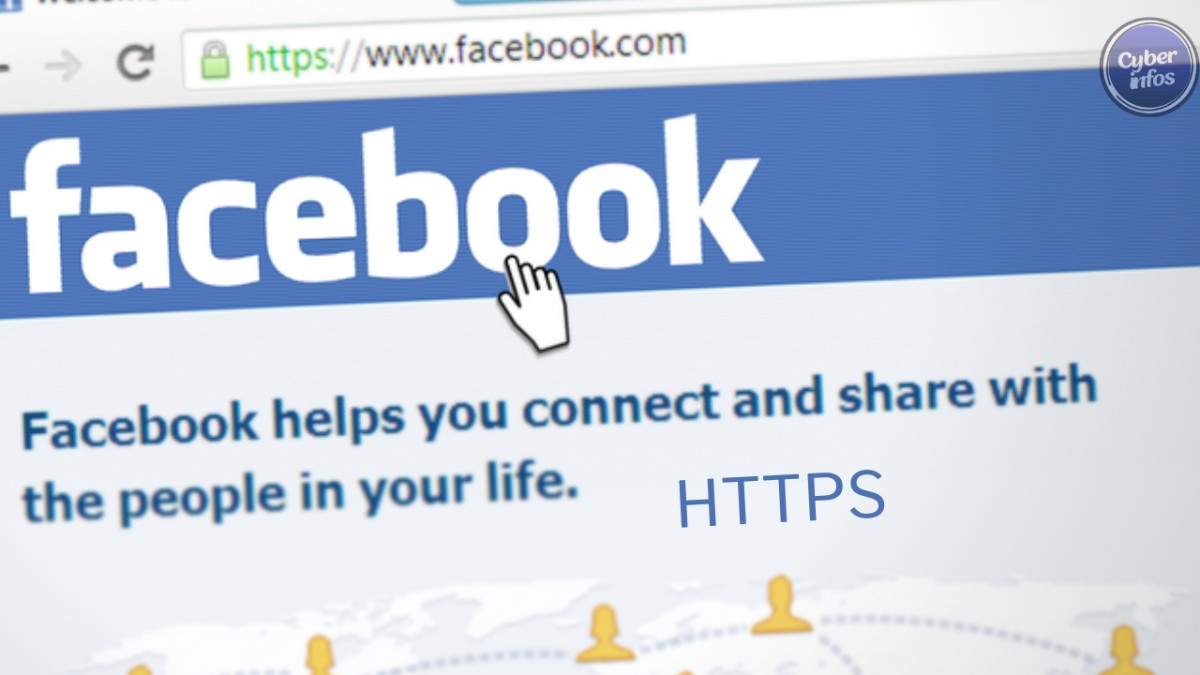
Every legitimate site should have this HTTPS connection. This is indicated by the lock icon in the address bar. It indicates that the site has a valid SSL certificate to protect data. If you don’t use HTTPS, the site is not secure. This can put Embora or HTTPS at risk simply because they are not authenticated. Sites that don’t have this are definitely questionable.
[Also read:Antivirus Your Silent Cyber Guardian 10 Ways it Protects You]
4. Lack of privacy policy or contact information.
All trusted sites have a privacy policy that details how you treat your data, along with your contact information. Fake sites generally do not have these resources or provide vague and incomplete details. Check the contact page for the address. Telephone number and email address If any of these details are missing or seem unprofessional, that is a warning sign.
5. Too-Good-to-Be-True Offers or Deals
If a website offers a price that seems very low, it is likely to be a scam. Fraudsters often use huge discounts and limited-time offers to lure users. Compare prices with trusted sellers before purchasing. If an offer looks too good to be true, it might be like that.
Reputable businesses maintain a presence on social media platforms such as Facebook, Instagram, and Twitter. Fake websites do not have social media profiles or may display fake social media icons that do not appear to be authentic articles. Look at these icons—if they don’t link to the active page, the site may be unreliable.
7. Product descriptions are poorly written.
Fake websites often duplicate or copy product descriptions from other sites. Leads to inconsistent or poorly written content if the explanation doesn’t make sense. There is a typo. Or look the same in many items. Consider this a red flag. The actual website has detailed and unique product descriptions.
[Also read:How Firewalls Keep Your Data Safe: A Deep Dive into Cybersecurity]
8. Different payment methods
Legitimate sites offer standard payment options such as credit cards and PayPal. Counterfeit sites often ask for exotic methods such as money transfers and cryptocurrencies. and prepaid gift cards, which is difficult to detect. If the site sends an unusual payment method to avoid
9. Unprofessional customer reviews
Customer feedback is a useful indicator. But fake websites often change those opinions. Look for overly positive reviews using trite language or exaggerated claims. Inconsistent or no reviews are also a red flag. Compare reviews with trusted sites like Amazon or Google to ensure authenticity.
10. Check domain age
Fake websites are often set up for short-term scams. Therefore, they may have had their domain registered recently. Tools like WHOIS Lookup can help you check when a domain was registered. If the site is only a few days or months old, treat the site with caution. Especially if there are other warning signs.
Tips and techniques for identifying fake sites
WHOIS Search: This reference provides details about the website’s domain registration. Including the date and website owner.
Google Safe Browsing: Google confirms that a site is safe by checking for threats like malware or phishing.
[Also read:5 Simple Hacks to Secure Your Personal Computer]
SSL Certificate Checker: Use this to verify that a site has a valid SSL certificate.
Site Reputation Checker: Services like ScamAdviser and Norton Safe Web let you insert a URL and see its security level.

What to do if you find a fake website
Avoid entering personal information: Do not enter sensitive information, such as credit card details. Login information or personal information
Report Website: Most browsers and antivirus programs allow you to report phishing or fraudulent sites. Security services such as Google Safe Browsing have reporting forms that help protect other users.
Use a password manager: Password Manager recognises URLs and will alert you if the site doesn’t match the site you normally access. Prevents you from entering information on fraudulent sites…
Warn your network: Warn friends, family, or co-workers about the site. In order not to become a victim of deception
Check your account: If you have entered personal information on a suspicious website. Check your account for any unusual activity. and notify your bank or credit card company if necessary.
[Also read:Insider Threats Explained: The Source of 60% of Cyber Attacks]
Conclusion
Staying safe online starts with awareness. And now you have the knowledge to spot even the most reliable fake websites. By carefully reviewing URLs for design quality, security, HTTPS, and payment options. You can instantly filter out sites that look suspicious. Each warning sign mentioned in this guide is a helpful tool in defeating today’s scams and protecting your privacy.
Visit every unfamiliar website and put these skills into practice. Start by using the WHOIS or Google Safe Browsing search engine to verify a website’s credibility.
Develop a habit of double-checking URLs and scanning sites for accurate privacy policies and contact information. Taking a moment to verify before engaging with a website will make it that much more difficult for scammers to trick you.
Finally, share these insights with friends and family who may not be as internet-savvy. Educating others strengthens overall online safety. This makes it more difficult for fake websites to succeed. Staying informed, careful, and proactive is the best way to protect yourself and others from online scams.

3 Comments
Hey, great piece on spotting fake websites! It’s surprising how scammers make these sites look authentic nowadays. Do you have suggestions for when a fake site is uncomfortably similar to a legitimate one? After reading, I stumbled upon this blog about which dives into how cybersecurity Felt it added an interesting angle. ️Just sharing for anyone who’s as curious as I am. Thanks for the info!
Thanks for your comment
Thank you so much for sharing this information. It is very useful information for Businesses.